
Lighting 101: Essential Techniques to Brighten Your Home During Dark Northern Winter Days
Winter in northern regions brings shorter days and persistent grey skies that can make homes feel dark and unwelcoming. Poor lighting affects mood, productivity, and how comfortable a space feels during the coldest months of the year.
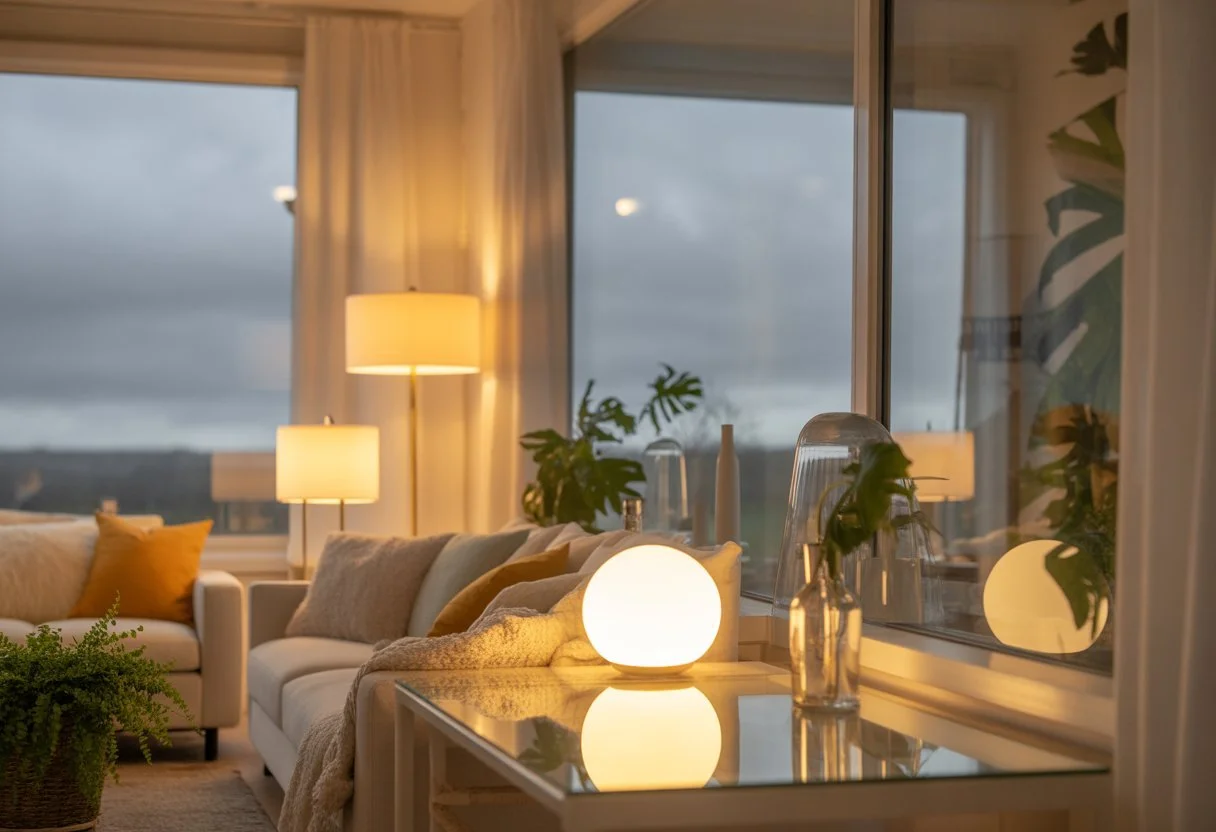
The solution lies in understanding how to layer different types of lighting and make strategic choices about placement, brightness, and light quality throughout your home. Simple changes to lighting design can transform dim rooms into bright, inviting spaces without major renovations or expensive overhauls.
This guide covers the practical steps needed to brighten any room, from maximising what little natural light filters through on overcast days to selecting the right artificial lighting solutions. Readers will learn how to assess their specific lighting challenges, choose appropriate fixtures, and create comfortable lighting schemes that work for different rooms and activities.
Understanding the Challenges of Northern Grey Skies
Grey skies in northern regions create unique lighting challenges that affect how natural light enters and moves through a home. The reduced daylight hours and persistent overcast conditions require specific strategies to maintain bright, comfortable living spaces.
The Impact of Limited Daylight on Home Brightness
Northern regions experience significant daylight reduction during autumn and winter months. Some areas receive as little as six hours of daylight at the winter solstice. This limited window means homes rely on natural light for a much shorter period.
Grey skies compound the problem by filtering and diffusing sunlight. The cloud cover can reduce natural light intensity by 50 to 80 percent compared to clear days. This creates a persistent dimness that affects every room in the home.
Windows that would normally provide adequate ambient lighting during sunny weather become less effective. The soft, scattered light from overcast skies lacks the intensity needed to illuminate interior spaces properly. Rooms far from windows become particularly dark and may feel unwelcoming without supplementary lighting.
Common Lighting Mistakes in Grey Weather
Many homeowners rely solely on overhead fixtures, which create harsh shadows and uneven illumination. This approach fails to replicate the gentle, diffused quality of natural daylight. Single-source lighting also leaves corners and edges of rooms in darkness.
Another frequent mistake involves using bulbs with incorrect colour temperatures. Cool white bulbs (above 5000K) can make grey-weather gloom feel even more oppressive and cold. Conversely, bulbs that are too warm (below 2700K) may create an overly yellow cast that feels artificial.
Insufficient layering represents a third common error. Homes without a proper mix of ambient lighting, task lighting, and accent lighting cannot adapt to changing conditions throughout the day. This rigid approach means spaces either feel too dim or excessively bright.
Design Considerations for Gloomy Days
Effective lighting design for grey conditions requires multiple light sources at different heights. Floor lamps, table lamps, and wall sconces work together to distribute light evenly throughout a space. This layered approach mimics how natural light would fill a room on a bright day.
Placement matters significantly. Positioning lamps near reflective surfaces such as mirrors or light-coloured walls helps bounce light around the room. This technique maximizes the output from each fixture and reduces the total number of lamps needed.
Dimmer switches provide essential flexibility for grey-weather lighting. They allow occupants to adjust brightness levels based on the amount of natural light available. This control helps maintain consistent illumination regardless of outdoor conditions.
Maximising Natural Light in Your Home
Light-coloured window treatments and reflective surfaces work together to bounce daylight deeper into rooms. Mirrors and strategic wall art placement can double the brightness without adding more windows.
Effective Window Treatments for Brightness
The right window treatments can significantly increase how much natural light enters a room. Heavy curtains and dark fabrics block sunlight, whilst lighter options allow daylight to filter through.
White or cream-coloured curtains reflect light back into the space rather than absorbing it. Neutral tones like soft grey or beige also work well for maintaining brightness. The fabric colour makes a real difference in how much light reaches the interior.
Mounting curtain rods higher than the window frame and extending them wider creates the illusion of larger windows. This simple adjustment allows more light to enter when curtains are drawn open. The extra space on either side means curtains don't block any part of the glass during daytime hours.
Roller blinds in light colours offer another practical solution. They can be raised completely to expose the full window or lowered partially for privacy whilst still permitting daylight. Top-down bottom-up blinds provide even more control by allowing light from above whilst maintaining privacy below.
Using Reflective Surfaces to Enhance Daylight
Reflective surfaces multiply the effect of natural light by bouncing it around the room. Glossy finishes on walls, furniture, and accessories spread daylight to darker corners.
Light-coloured paint with a slight sheen reflects more light than flat matt finishes. Soft white, cream, or pale grey walls create a brighter base that enhances incoming sunlight. The reflective quality doesn't need to be obvious or shiny to be effective.
Glass furniture pieces like coffee tables and console tables allow light to pass through them. Metal accents in chrome, brass, or polished nickel catch and reflect rays throughout the space. Even small touches like picture frames or lamp bases in metallic finishes contribute to overall brightness.
Lacquered furniture and high-gloss kitchen cabinets work particularly well in rooms with limited windows. These surfaces act like mirrors without the obvious reflection. They create a sense of airiness whilst maintaining the room's function.
Sheer Curtains and Blinds for Light Diffusion
Sheer curtains provide privacy without sacrificing natural light. The translucent fabric softens harsh sunlight whilst allowing it to filter gently into the room.
White or off-white sheers work best for maximising brightness. They can be layered with heavier curtains for flexibility throughout the day. During grey northern weather, sheer curtains alone often provide enough coverage whilst keeping spaces bright.
Voile and linen are excellent fabric choices for light diffusion. These materials create a soft glow that feels welcoming even on overcast days. The fabric gently scatters light rather than blocking it completely.
Solar shades offer a modern alternative to traditional sheers. They filter UV rays whilst maintaining views and allowing natural light to enter. These blinds come in different opacity levels, letting homeowners choose how much light to permit.
Strategic Mirror and Wall Art Placement
Mirrors are the most effective tool for amplifying natural light. A well-placed mirror can double the perceived brightness in a room by reflecting sunlight from windows.
Position mirrors directly opposite or adjacent to windows to catch and reflect the most light. Large mirrors work better than small ones for this purpose. The bigger the reflective surface, the more light bounces back into the space.
Leaning a full-length mirror against a wall near a window creates an instant brightness boost. Hanging a mirror above a console table or fireplace can also capture light from nearby windows. The key is ensuring the mirror faces the light source rather than a dark wall.
Wall art with glass frames adds subtle reflective properties whilst serving a decorative purpose. Metallic artwork or pieces with glossy finishes contribute to light reflection. Even the strategic placement of regular wall art matters—hanging it where it won't block window light keeps pathways clear for sunlight to travel through the room.
Mirrored furniture like cabinets or side tables provides functional storage whilst enhancing brightness. These pieces work especially well in hallways and entryways where natural light might be limited.
Layered Lighting: Combining Different Light Sources
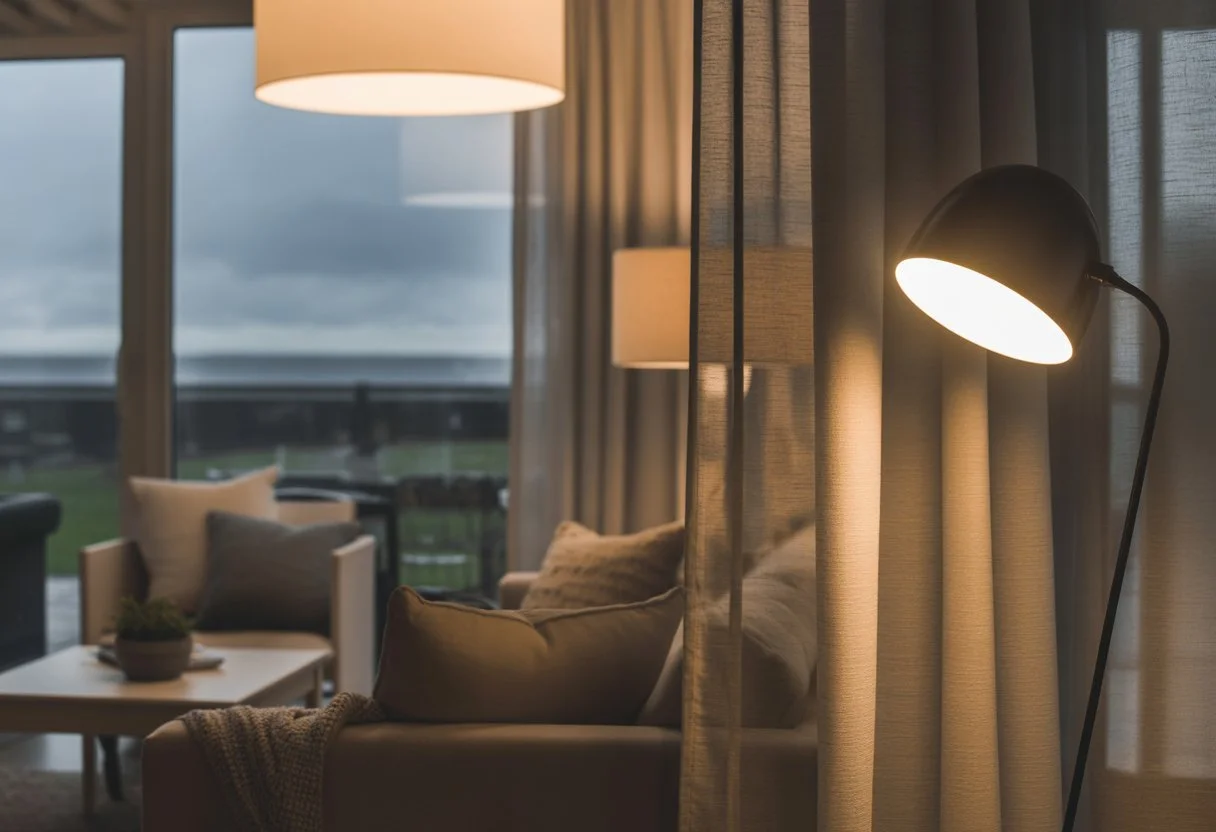
Multiple light sources work together to create rooms that feel complete and functional. The right mix of ambient, task, and accent lighting makes spaces brighter and more inviting during grey winter days.
Ambient, Task, and Accent Lighting Explained
Ambient lighting provides the main illumination for a room. This foundational layer comes from ceiling fixtures, chandeliers, or recessed lights. It sets the overall brightness level and allows people to move safely through the space.
Task lighting focuses on specific activities like reading, cooking, or working. Desk lamps, under-cabinet lights, and vanity fixtures fall into this category. These lights need to be bright enough to prevent eye strain whilst concentrating on detailed work.
Accent lighting highlights particular features or objects in a room. Picture lights, spotlights, and decorative fixtures create visual interest. This layer adds depth and draws attention to artwork, architectural details, or decorative elements that might otherwise disappear in flat lighting.
Best Practices for Layering with Sconces and Floor Lamps
Wall sconces provide both ambient and accent lighting depending on their placement and direction. Install them at eye level (roughly 150-170 cm from the floor) in hallways or flanking mirrors. Sconces with adjustable arms offer flexibility for reading areas.
Floor lamps fill gaps where overhead lighting fails to reach. Place them beside seating areas or in room corners to eliminate dark spots. Arc floor lamps work well for lighting specific zones without drilling into walls or ceilings.
Combine sconces with floor lamps to create multiple light sources at different heights. This approach prevents harsh shadows and distributes light more evenly. Use dimmers on both fixture types to adjust brightness levels throughout the day.
Accent Lighting for Depth and Character
Accent lights typically use three times more illumination than ambient lighting to create proper contrast. Track lighting and adjustable spotlights work well for highlighting rotating displays or seasonal decorations.
Layer accent lights with other sources to avoid creating a spotlight effect in an otherwise dark room. Picture lights mounted above artwork need sufficient ambient lighting in the surrounding space to feel balanced.
Small table lamps and LED strip lights serve as subtle accent sources. These fixtures add pools of light at lower levels, creating dimension in rooms dominated by overhead lighting.
Selecting and Placing Artificial Lighting Solutions
The right lighting solutions depend on both the fixture type and where it sits in a room. Strategic placement of table lamps, pendant lights, and LED strips can transform dark northern spaces into well-lit, comfortable areas.
Choosing Table Lamps and Floor Lamps for Every Room
Table lamps work best on side tables, desks, and bedside tables where they provide focused light for reading or tasks. A lamp should sit at eye level when someone is seated to avoid glare. The shade material matters—fabric softens light whilst metal or glass creates a more direct beam.
Floor lamps fill corners and empty spaces with vertical lighting that draws the eye upward. Arc floor lamps reach over sofas and chairs to deliver light exactly where it's needed. Torchiere styles bounce light off ceilings to brighten entire rooms.
Placement guidelines:
Position table lamps 60-65 cm apart for balanced lighting
Place floor lamps 30-45 cm from walls to avoid shadows
Use three-way bulbs for adjustable brightness levels
The base should be proportional to the shade—a narrow base with a wide shade tips easily. Dark lampshades reduce light output by up to 50 per cent compared to white or cream options.
Pendant Lights and Architectural Lighting Features
Pendant lights hang from the ceiling on cords, chains, or rods to illuminate specific areas. They work well over kitchen islands, dining tables, and in hallways. A single pendant should hang 75-85 cm above a dining table or 195-210 cm from the floor in walkways.
Multiple pendants create rhythm and visual interest. Space them 70-90 cm apart over long surfaces. Match the pendant width to the space—a fixture should be one-third to two-thirds the width of the table below it.
Architectural lighting includes wall sconces, track lighting, and picture lights that highlight features. Wall sconces mounted 150-165 cm high flank mirrors and artwork effectively. Track lighting adjusts to direct light onto specific objects or areas as needs change.
Integrated LED Strips and Recessed Lighting Designs
LED strips hide under cabinets, along shelves, and in coves to provide ambient glow without visible fixtures. They illuminate worktops in kitchens and create soft background light in living spaces. Waterproof strips suit bathrooms and outdoor covered areas.
Recessed lighting sits flush with ceilings or walls to deliver clean, unobtrusive illumination. Space recessed lights 120-150 cm apart for even coverage. Place them 90-120 cm from walls to prevent harsh shadows.
LED strip applications:
Under kitchen cabinets for task lighting
Behind headboards for bedroom ambience
Along staircases for safety lighting
Inside wardrobes for visibility
Dimmable LEDs adjust brightness throughout the day. Warm white (2700-3000K) suits living areas whilst cool white (4000-5000K) works better in kitchens and bathrooms where tasks require precision.
Customising Light Quality for Comfort and Mood
The right bulb temperature can shift a room from clinical to cosy, whilst dimmers and softer light sources allow for quick adjustments throughout the day. These tools give homeowners control over how their spaces feel during grey northern winters.
Understanding Colour Temperature and Bulb Selection
Colour temperature measures how warm or cool light appears, measured in Kelvins (K). Warm white bulbs (2700K-3000K) produce a soft, yellowish glow that works well in living rooms and bedrooms. Cool white bulbs (4000K-5000K) create a brighter, bluer light suited to kitchens and work areas.
Natural daylight bulbs (5000K-6500K) mimic outdoor light and help combat the gloom of grey skies. These bulbs can reduce the dreariness that comes with shorter days in northern regions.
Most homes benefit from using different colour temperatures in different rooms. Bedrooms and lounges feel more comfortable with warm lighting. Bathrooms and studies function better with cooler, brighter bulbs.
LED bulbs now offer variable colour temperatures in single fixtures. These smart bulbs let users adjust warmth throughout the day without changing hardware.
Utilising Dimmer Switches for Adaptable Ambience
Dimmer switches allow users to adjust brightness levels based on time of day and activity. They provide flexibility that standard on-off switches cannot match.
Installing dimmers on main ceiling lights gives instant control over room atmosphere. Lowering lights in the evening helps signal to the body that it's time to wind down. Brighter settings work for tasks like reading or cooking.
Most LED bulbs now work with dimmer switches, though it's important to check compatibility before purchase. Some older dimmer switches may cause LED bulbs to flicker or hum.
Dimmers also reduce energy consumption when lights operate at lower levels. This saves money whilst creating a more comfortable environment during long winter evenings.
Candlelight and Fairy Lights for Cosy Evenings
Candlelight produces a warm glow around 1500K-1800K, warmer than any electric bulb. This creates an instantly relaxing atmosphere perfect for grey winter nights.
Real candles require safety precautions but battery-operated LED candles offer a worry-free alternative. They provide similar warmth without fire risks or mess.
Fairy lights add soft accent lighting that layers well with other sources. Draping them around windows or shelves creates depth and visual interest. Their small points of light feel welcoming without overwhelming a space.
String lights with warm white LEDs work better than cool white versions for creating cosy atmospheres. Placing them on timers means they automatically turn on as natural light fades.
Practical Lighting Design Tips for Every Space
Good lighting design transforms how a home feels and functions during grey winter months. Strategic placement of fixtures, thoughtful accent choices, and personal style integration work together to create bright, welcoming spaces.
Addressing Dark Corners and Unloved Spaces
Dark corners drain energy from rooms and make spaces feel smaller. Floor lamps placed at 45-degree angles from walls bounce light effectively and eliminate shadows. Wall sconces mounted 152-168 cm from the floor provide ambient brightness without taking up floor space.
Under-stair areas benefit from recessed LED strips or small downlights. These fixtures turn forgotten spaces into functional zones for storage or display. Hallways need ceiling fixtures every 2.4-3 metres to prevent dim stretches.
Alcoves and nooks become focal points with internal lighting. Small LED pucks or strip lights highlight shelving whilst adding depth. Mirrors positioned opposite windows or light sources double perceived brightness in cramped corners.
Creating Focal Points through Accent Fixtures
Accent lighting draws attention to architectural features, artwork, and cherished objects. Track lighting offers adjustable beams that highlight specific areas without permanent installation. Position fixtures 76-91 cm from walls for optimal artwork illumination.
Picture lights mounted directly above frames create gallery-style displays. LED strips installed behind floating shelves or inside glass cabinets add drama to collections. The key is using fixtures three times brighter than ambient lighting to create proper contrast.
Statement pendant lights serve dual purposes as functional illumination and visual anchors. A bold fixture above a dining table or kitchen island becomes the room's centrepiece whilst providing task lighting below.
Incorporating Personal Style into Lighting Choices
Lighting fixtures express personality as much as furniture does. Industrial-style pendant lights suit modern kitchens, whilst crystal chandeliers complement traditional dining rooms. Mixing metals—brass with black, chrome with copper—adds visual interest without clashing.
Dimmer switches allow spaces to shift from bright and energetic to soft and relaxing. Smart bulbs offer colour temperature adjustments from cool white (5000K) for morning alertness to warm white (2700K) for evening comfort.
Vintage Edison bulbs in exposed fixtures create warmth, though LED versions provide better efficiency. Fabric lampshades soften harsh overhead lighting and introduce texture. The most successful lighting design balances aesthetic preferences with practical needs, ensuring each fixture serves both form and function.
Frequently Asked Questions
Different lighting types, colour choices, and reflective elements work together to transform dim spaces into bright, welcoming environments. Understanding these lighting principles helps homeowners make informed decisions about creating better illumination throughout their homes.
What are the most effective types of indoor lighting for combating dull natural light?
Layered lighting systems provide the best results for dark spaces. This approach combines ambient lighting for overall brightness, task lighting for specific activities, and accent lighting to highlight particular areas.
LED ceiling lights serve as effective ambient light sources because they distribute brightness evenly across rooms. Recessed downlights work particularly well in spaces with low ceilings. Track lighting offers flexibility for directing light where it's needed most.
Task lighting fills in gaps where general lighting falls short. Under-cabinet lights brighten kitchen worktops. Floor lamps positioned near reading chairs provide focused illumination without overwhelming the space.
How can layering different light sources enhance a room's ambience?
Multiple light sources at varying heights create depth and dimension in any room. This technique prevents the flat, harsh appearance that single overhead lights often produce.
Combining ceiling lights with table lamps and wall sconces allows occupants to adjust brightness levels throughout the day. Pendant lights add visual interest at mid-level height. Floor lamps fill vertical space and direct light upward to brighten ceilings.
Different light layers serve distinct purposes at different times. Morning hours might require bright task lighting in kitchens and bathrooms. Evening hours benefit from softer ambient lighting that creates a relaxed atmosphere.
Can the choice of wall and ceiling colours impact the perceived brightness of a space?
Light colours reflect more illumination than dark colours. White and off-white walls can reflect up to 80% of available light back into a room.
Pale neutrals like cream, light grey, and soft beige provide warmth whilst maintaining excellent light reflection. Matte finishes diffuse light more evenly than glossy paints. However, slight sheens on ceilings help bounce light downward into living spaces.
Dark accent walls absorb light rather than reflect it. Homeowners should limit dark colours to single feature walls when maximising brightness remains a priority. Ceiling colour matters as much as walls because ceilings form the largest uninterrupted surface in most rooms.
What role do reflective surfaces play in optimising home lighting?
Mirrors strategically placed opposite windows amplify natural light by redirecting it deeper into rooms. Large mirrors create the illusion of additional windows whilst doubling available brightness.
Glossy surfaces on furniture, tiles, and decorative objects bounce artificial light around spaces. Glass tabletops, metallic picture frames, and polished hardware all contribute to overall brightness. Lacquered furniture finishes reflect more light than matte wood surfaces.
Reflective surfaces work best when positioned to catch both natural and artificial light sources. A mirror placed perpendicular to a window wastes the opportunity to redirect sunlight. The same principle applies to artificial lighting, where reflective elements should sit within the path of light fixtures.
How does the use of LED lighting compare to traditional light bulbs in terms of energy efficiency and brightness?
LED bulbs use approximately 75% less energy than traditional incandescent bulbs whilst producing the same light output. A 10-watt LED produces brightness equivalent to a 60-watt incandescent bulb.
LED technology lasts significantly longer than traditional options. Most LED bulbs function for 25,000 to 50,000 hours compared to 1,000 hours for incandescent bulbs. This longevity reduces replacement costs and maintenance effort.
LED bulbs generate less heat than incandescent or halogen alternatives. This characteristic makes them safer for enclosed fixtures and reduces cooling costs during warmer months. LED options now offer various colour temperatures, from warm whites that mimic traditional bulbs to cool whites that provide energising brightness.
What lighting strategies can be employed to create a warm and inviting atmosphere during darker months?
Warm white bulbs rated between 2,700K and 3,000K create cosy environments without sacrificing brightness. These colour temperatures mimic the gentle glow of traditional bulbs whilst providing modern efficiency.
Dimmer switches allow occupants to adjust light intensity based on time of day and activity. Bright settings work for morning routines and focused tasks. Lower settings suit evening relaxation and dining.
Indirect lighting techniques soften harsh shadows and create gentle ambience. Wall sconces that direct light upward wash ceilings with soft illumination. Floor lamps positioned behind furniture cast warm glows without creating glare. Candles and flameless alternatives add flickering warmth to tabletops and mantels during evening hours.
Need some help designing your next project?
Call us now on 07889 836093