
Small Space, Big Style: Expert Design Tips for Compact City Living in Manchester and Liverpool
Living in Manchester or Liverpool means embracing city life in all its vibrant energy, but it often comes with limited square footage. Flats and apartments in these bustling northern cities can be compact, yet that doesn't mean residents have to give up comfort or personal style.
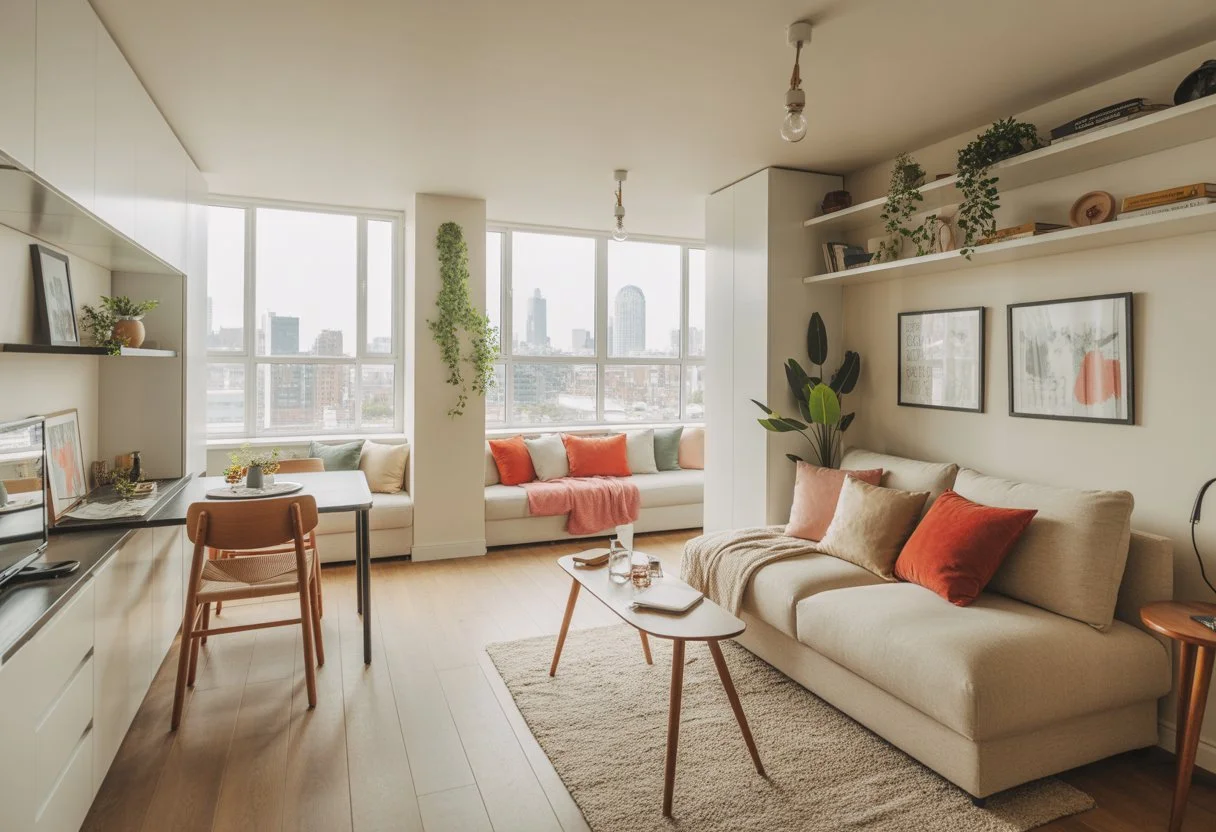
With smart design choices and strategic planning, even the smallest urban space can become a stylish, functional home that feels open and welcoming. The key lies in understanding how to work with limited square metres rather than against them. From clever storage solutions to furniture that serves multiple purposes, there are practical ways to make every inch count.
This guide explores design strategies specifically suited to compact living in Manchester and Liverpool. Readers will discover how to declutter effectively, choose the right pieces, and use light and colour to transform cramped quarters into attractive, liveable spaces that reflect their personality.
Small Space, Big Style: Compact Living in Manchester and Liverpool
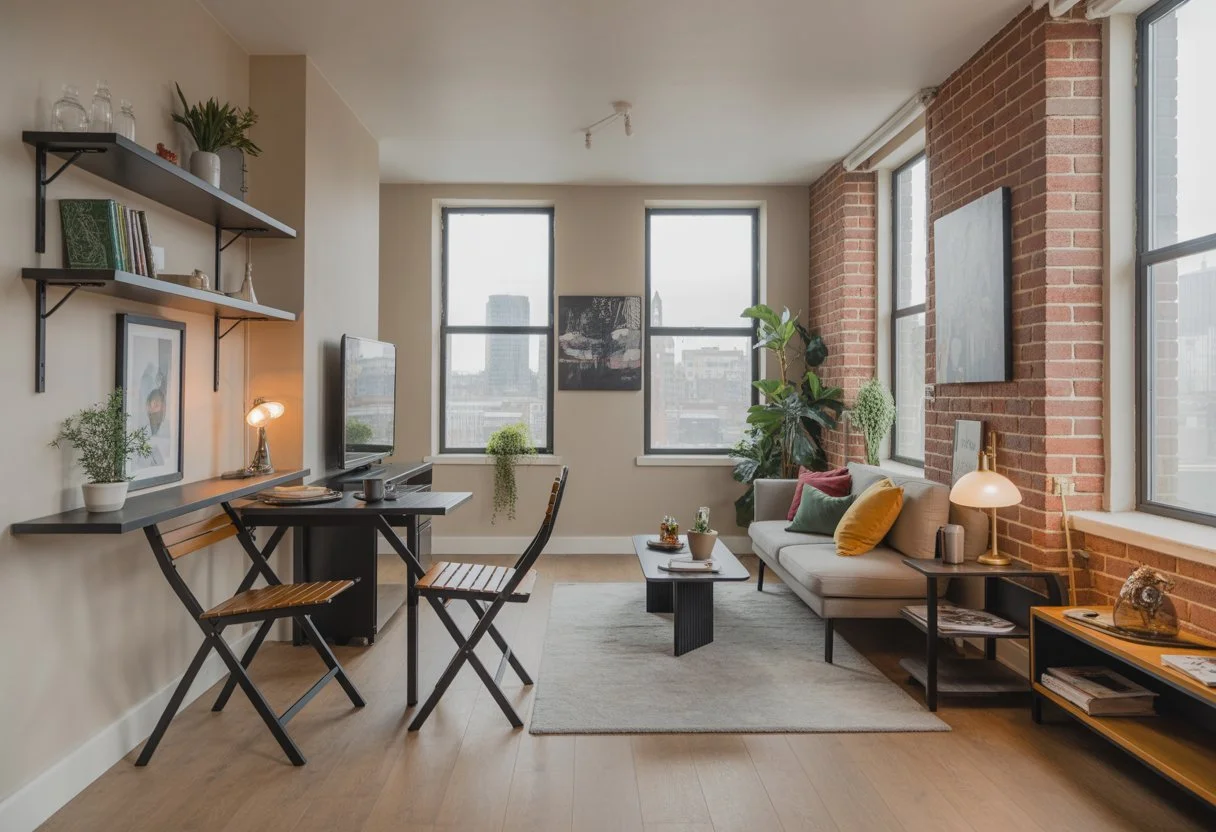
Manchester and Liverpool residents are increasingly choosing compact homes as property prices rise and urban centres densify. Both cities offer vibrant city living where smaller flats and studio apartments provide affordable entry points into desirable neighbourhoods.
The Compact City Lifestyle
Manchester's Northern Quarter and Liverpool's Baltic Triangle exemplify urban areas where compact living thrives. These neighbourhoods attract young professionals and students who value location over square footage.
City apartments in these areas typically range from 30 to 50 square metres. Residents trade spacious rooms for proximity to restaurants, cultural venues, and public transport links. A studio apartment near Manchester's Deansgate or Liverpool's Albert Dock places residents within walking distance of major employers and entertainment districts.
Both cities have adapted to accommodate compact homes. New developments increasingly feature purpose-built flats designed for efficient living. Victorian and Edwardian buildings have been converted into modern small apartments whilst retaining period features.
The lifestyle suits those who spend limited time at home. Workers, students, and active urbanites find that small spaces meet their needs when combined with access to shared amenities like gyms, co-working spaces, and communal gardens.
Embracing Small-Space Living
Residents of tiny homes in Manchester and Liverpool develop practical approaches to limited space. They prioritise essential belongings and regularly declutter to maintain comfortable living environments.
Many choose furniture that serves multiple purposes. A sofa bed transforms a living area into sleeping quarters. Storage ottomans provide seating whilst hiding seasonal items. Wall-mounted desks fold away when not needed.
Vertical storage solutions maximise available space. Floor-to-ceiling shelving units utilise height rather than footprint. Hanging organisers and wall hooks keep frequently used items accessible without cluttering surfaces.
Small homes benefit from strategic design choices. Light colours make rooms feel larger. Mirrors reflect natural light and create depth. Transparent furniture pieces like glass tables maintain sightlines across rooms.
Benefits of Limited Space
Compact homes cost less to heat and maintain. Energy bills in small apartments average 30-40% lower than larger properties. Cleaning and upkeep require less time and effort.
Limited space encourages mindful consumption. Residents purchase only items they genuinely need and use. This approach reduces waste and often leads to improved financial wellbeing.
Small spaces in Manchester and Liverpool command lower rent and purchase prices. A studio apartment costs significantly less than a two-bedroom flat in equivalent locations. This affordability allows residents to live in prime areas that would otherwise be financially inaccessible.
Compact living fosters connection with the surrounding city. Residents utilise parks, cafés, and public spaces as extensions of their homes. They engage more actively with their neighbourhoods and local communities.
Decluttering and Minimalism for Urban Spaces
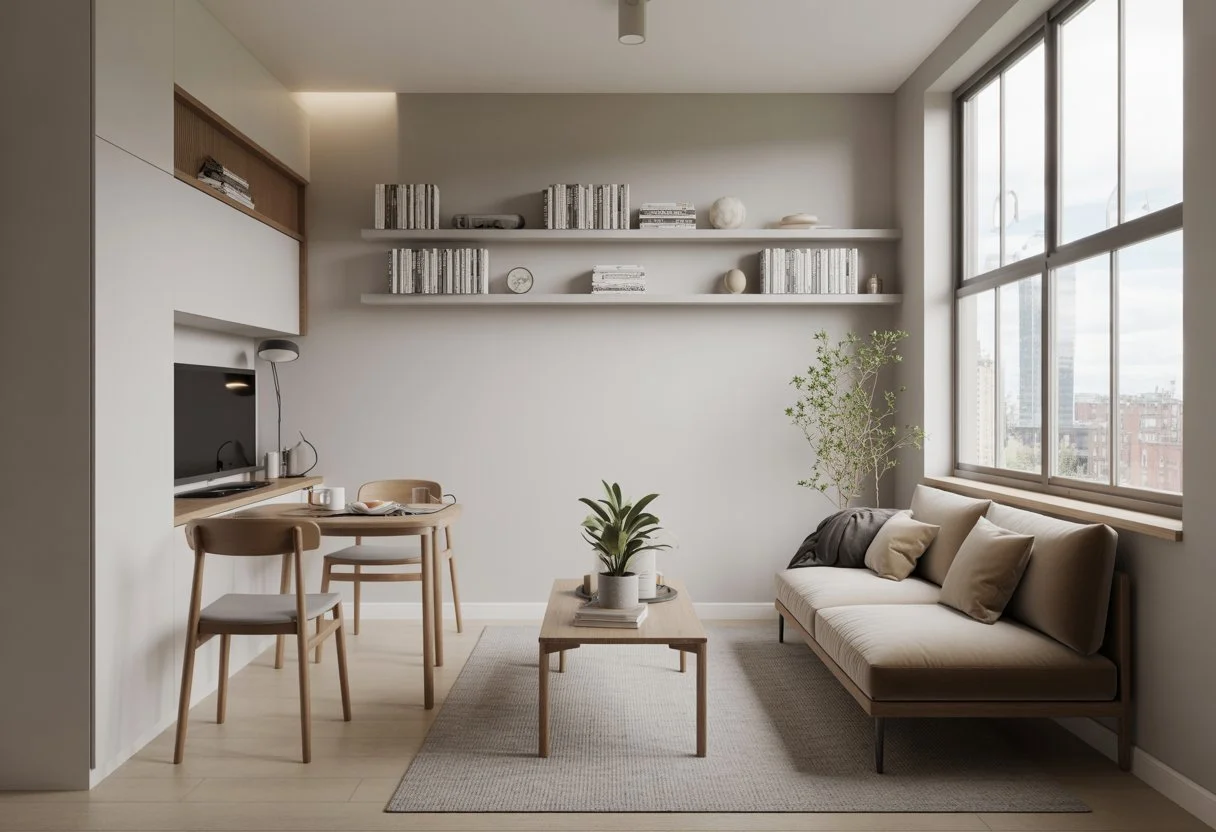
City flats in Manchester and Liverpool demand smart approaches to managing belongings. Removing unnecessary items and embracing simpler living habits creates more functional space whilst reducing daily stress.
The Power of Decluttering
Decluttering transforms cramped quarters into breathable living areas. Residents should start by sorting possessions into three categories: essential items, meaningful pieces, and everything else that can go.
The process works best when tackled room by room rather than attempting the entire flat at once. Kitchen gadgets that haven't been used in six months rarely deserve counter space. Wardrobes benefit from the one-year rule—clothes unworn for a full year should find new homes.
Storage solutions work better after decluttering, not before. Buying containers before removing excess items simply hides the problem. A clear surface provides more visual space than any clever storage hack.
Regular decluttering sessions prevent accumulation. Setting aside 15 minutes weekly to assess new purchases and remove items that no longer serve a purpose keeps spaces manageable. This habit proves especially valuable in studio flats where every square metre matters.
Adopting Minimalist Principles
Minimalism focuses on keeping only items that serve a purpose or bring genuine joy. This approach suits compact city living perfectly, as it naturally limits possessions to what fits comfortably in available space.
Quality trumps quantity in minimalist thinking. One well-made coat lasts longer than three cheap alternatives whilst occupying less wardrobe space. The same principle applies to furniture, kitchenware, and decorative items.
Key minimalist guidelines include:
Buy items only when needed, not on impulse
Choose multi-functional pieces over single-purpose items
Keep flat surfaces clear of random objects
Select a neutral colour palette that creates visual calm
Display only a few cherished decorative pieces
Digital minimalism reduces physical clutter too. Switching to electronic bills, books, and entertainment eliminates paper piles and DVD collections. Cloud storage replaces bulky filing systems.
Maintaining a Clutter-Free Home
Sustaining a tidy space requires consistent habits rather than occasional deep cleans. The "one in, one out" rule helps residents maintain balance—each new purchase means removing something similar.
Daily routines prevent mess from building up. Making the bed, washing dishes immediately, and returning items to designated spots takes minutes but keeps chaos at bay. These small actions compound over time.
| Task | Time Required |
|---|---|
| Sort through post and papers | 10 minutes |
| Clear kitchen counters | 5 minutes |
| Tidy bedroom surfaces | 5 minutes |
| Return misplaced items | 10 minutes |
Designated homes for belongings streamline tidying efforts. Keys live on hooks by the door. Post goes in one specific tray. Shoes stay in a rack rather than scattered about the entrance.
Residents should resist "just in case" thinking that leads to hoarding rarely used items. City living offers easy access to shops, libraries, and hire services when occasional needs arise.
Maximising Space Through Clever Storage Solutions
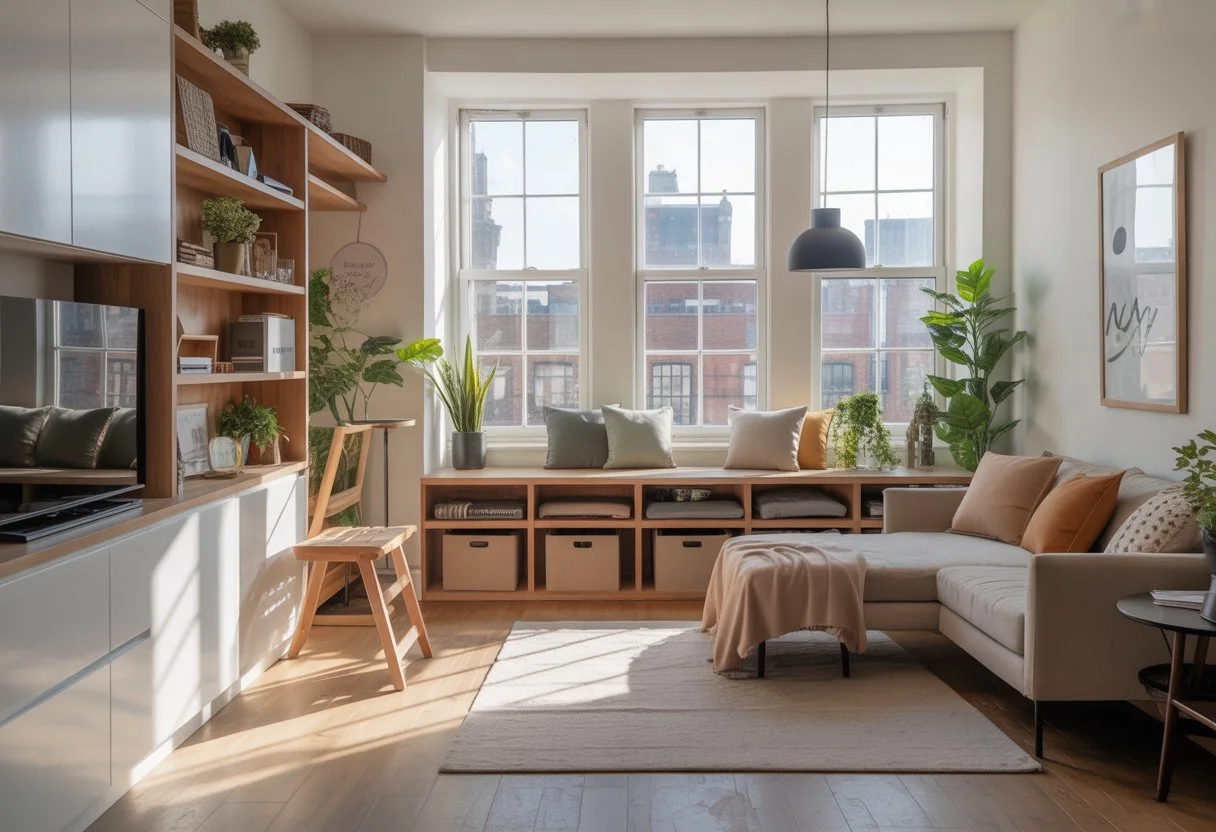
Compact city flats in Manchester and Liverpool demand smart storage solutions that work without cluttering precious floor space. The key lies in using hidden compartments, vertical surfaces, and furniture that serves multiple purposes to keep belongings organised and out of sight.
Hidden Storage and Multipurpose Areas
Hidden storage transforms ordinary furniture into space-saving powerhouses. Storage ottomans provide comfortable seating whilst concealing blankets, books, or seasonal items inside. Coffee tables with lift-up tops reveal hidden compartments perfect for remote controls, magazines, and other living room essentials.
Window seats offer another opportunity for clever storage solutions. Built-in drawers beneath the seating area store shoes, linens, or hobby supplies whilst creating a cosy spot to relax. Hollow benches in hallways serve the same dual purpose, providing a place to sit whilst hiding clutter behind cabinet doors.
Modular furniture adapts to changing needs throughout the day. Sofas with storage underneath cushions keep throws and pillows accessible but hidden. Folding desks mount to walls and disappear when not in use, freeing up floor space in studio flats.
Built-In and Vertical Storage
Built-in storage makes use of awkward spaces that standard furniture cannot fill. Fitted wardrobes stretch from floor to ceiling, maximising vertical storage in bedrooms. Custom shelving fills alcoves beside chimneys, turning dead space into display areas or book storage.
Walls offer valuable real estate for smart storage solutions. Floating shelves keep floors clear whilst displaying books, plants, and decorative items. Hanging organisers attach to doors, holding shoes, accessories, or cleaning supplies without requiring floor space.
Kitchen walls accommodate pot racks, knife strips, and spice holders. Bathroom walls support towel bars, medicine cabinets, and shower caddies. These vertical solutions keep essentials within reach whilst maintaining clear countertops and surfaces.
Under-Bed and Furniture Storage
The space beneath beds provides substantial storage capacity in small bedrooms. Rolling drawers slide under standard bed frames, storing out-of-season clothing, extra bedding, or sports equipment. Vacuum-sealed bags compress bulky items like winter coats and duvets into compact packages.
Platform beds incorporate built-in drawers directly into the frame structure. Some designs feature hydraulic lifts that raise the entire mattress, revealing cavernous storage areas underneath. These beds eliminate the need for separate dressers or wardrobes in tight bedrooms.
Hollow furniture bases extend this concept to other rooms. Dining benches with hinged tops store table linens and serving pieces. Footstools in living rooms hide remotes, chargers, and gaming controllers.
Furniture Choices for Multifunctional Compact Homes
The right furniture transforms a cramped flat into a practical living space. Smart choices include pieces that serve multiple purposes, tables that expand when needed, and items that mount to walls to free up floor space.
Multi-Functional and Modular Furniture
Multi-functional furniture serves more than one purpose in a room. Storage ottomans provide seating whilst hiding blankets, books, or other items inside. These pieces work well in lounges where space is limited.
Modular sofas offer flexibility that standard sofas cannot match. Residents can rearrange the sections to fit different room layouts or separate them when hosting guests. This adaptability suits Manchester and Liverpool flats where room shapes vary greatly.
Nesting tables slide under each other when not in use. Residents can pull them out for drinks or snacks and tuck them away afterwards. These tables take up minimal space whilst providing surface area when needed.
Modular furniture adapts to changing needs over time. A modular shelving unit can start small and expand as a resident acquires more belongings. This approach saves money and reduces waste compared to replacing entire furniture sets.
Space-Saving Sofa Beds and Extendable Tables
Sofa beds turn lounges into guest rooms within minutes. Modern sofa bed designs offer proper mattress support rather than thin cushions. Residents should test the mechanism before buying to ensure smooth operation.
A foldable dining table expands for meals and folds down afterwards. Drop-leaf tables attach to walls and drop down when not needed. These solutions work well in studio flats where the dining area shares space with the lounge.
Extendable tables feature hidden leaves that slide out for dinner parties. A table that seats four people daily can accommodate six or eight guests when extended. This flexibility means residents don't sacrifice everyday comfort for occasional entertaining.
Wall-Mounted and Folding Pieces
Wall-mounted desks attach to walls and fold up when work finishes. These desks create proper workspaces without claiming permanent floor space. Some models include built-in storage for pens, papers, and laptop chargers.
Folding screens divide rooms without permanent walls. Residents can separate sleeping areas from living spaces in studio flats or create privacy when needed. These screens fold flat for storage when not required.
Wall-mounted shelves hold books, plants, and decorative items without floor-standing bookcases. Floating shelves make rooms feel larger because they don't create visual barriers at floor level.
Light and Colour: Creating the Illusion of Space
Light colours and proper lighting can make a small flat feel much larger than it actually is. These design choices work together to create a sense of openness and airiness in compact city homes.
Maximising Natural Light
Natural light makes any room feel bigger and more welcoming. Manchester and Liverpool homes often have limited window space, so every bit of sunlight matters. Sheer curtains let light pass through whilst maintaining privacy. They work better than heavy drapes that block precious daylight.
Window treatments should sit just above the window frame and extend slightly beyond the sides. This makes windows appear larger and lets in more light. Keeping windowsills clear of clutter helps too. Plants and decorative items can block light, even if they seem small.
Light bounces off reflective surfaces and spreads throughout the room. Glossy paint finishes work better than matte for this purpose. Glass furniture and metallic accents also help distribute natural light to darker corners.
Strategic Use of Mirrors
Mirrors create the illusion of space by reflecting both light and views. A large mirror placed opposite a window doubles the amount of natural light in a room. This simple trick makes spaces feel twice as large.
Floor-to-ceiling mirrors work particularly well in narrow hallways and small bedrooms. They add depth and make ceilings appear higher. Mirrored wardrobes serve dual purposes in compact bedrooms by providing storage whilst expanding the visual space.
Position matters more than size. A well-placed small mirror can be more effective than a large one in the wrong spot. Avoid placing mirrors where they reflect clutter or unattractive views. They should capture light sources, windows, or pleasant room features instead.
Colour Palettes for Small Homes
Light, neutral tones make walls recede and rooms feel more open. White, cream, soft grey, and pale beige reflect more light than dark colours. These shades work as a base for any decorating style.
Painting walls, ceilings, and trim in similar light shades blurs boundaries between surfaces. This makes rooms feel larger because the eye doesn't stop at distinct colour changes. Cool neutrals like pale blue-grey can add interest whilst maintaining the spacious feeling.
Accent colours add personality without overwhelming small spaces. Use them sparingly in cushions, artwork, or a single accent wall. Darker colours work best on smaller elements like picture frames or decorative objects rather than large furniture pieces.
Layered and Artificial Lighting
Artificial lighting fills in where natural light falls short. A single overhead light creates harsh shadows that make rooms feel smaller. Layered lighting uses multiple sources at different heights to eliminate dark corners and add depth.
Pendant lights work well over dining tables and kitchen islands without taking up floor space. Wall sconces free up surface space whilst adding ambient light. Table lamps provide task lighting and create cosy pools of light that define different zones within open-plan areas.
A statement light fixture adds style whilst serving a practical purpose. Choose designs that draw the eye upward to emphasise ceiling height. Dimmer switches let residents adjust lighting levels throughout the day, making spaces feel different at various times.
Vertical Space, Zoning, and Personal Touches
When floor space is limited in Manchester or Liverpool flats, the key lies in thinking upwards and creating distinct areas that serve different purposes. Small additions like plants and thoughtful decor can transform a compact space from functional to inviting.
Using Vertical Space and Floating Shelves
Walls offer valuable storage potential that many residents overlook. Floating shelves provide display space without consuming floor area, making them ideal for books, plants, or decorative items.
Tall bookcases draw the eye upward and create the illusion of higher ceilings whilst maximising storage capacity. These units work particularly well in studio apartments where every inch counts.
Pegboards offer flexible vertical storage for kitchens, home offices, or craft areas. Residents can rearrange hooks and baskets as their needs change without drilling new holes.
A gallery wall transforms blank vertical space into a focal point. Mixing artwork, photographs, and mirrors creates visual interest whilst keeping surfaces clear.
Hanging planters bring greenery into the home without taking up shelf or window sill space. They work especially well near windows where plants receive natural light.
Defining Zones in Open Layouts
Open-plan flats require clear separation between living, sleeping, and working areas. Furniture placement creates natural boundaries without permanent walls.
Rugs mark different zones effectively. A dining rug under the table and a separate living room rug instantly define two distinct spaces. Bookshelves or open storage units serve as room dividers whilst maintaining sight lines and light flow.
Lighting helps establish separate areas. A floor lamp beside the sofa creates a reading nook, whilst pendant lights over a dining table define the eating space. Different lighting for each zone allows residents to illuminate only the areas they're using.
Incorporating Greenery and Decor
Plants improve air quality and add life to compact spaces. Succulents require minimal care and fit on small window sills or shelves.
Trailing plants on high shelves or in hanging planters maximise greenery without cluttering surfaces. An accent wall in a bold colour or textured wallpaper creates depth and personality. This feature wall should be the first thing visible when entering the room to create maximum impact.
Personal items like photographs, artwork, or travel souvenirs make a space feel like home. The key is selecting a few meaningful pieces rather than overcrowding surfaces.
Frequently Asked Questions
Small space living in Manchester or Liverpool comes with unique challenges that require practical solutions. These answers address common concerns about storage, furniture selection, colour choices, and design strategies that work specifically for compact urban flats.
How can I maximise storage in a small city flat while maintaining a stylish aesthetic?
Vertical storage solutions offer the most efficient use of wall space without consuming valuable floor area. Installing floating shelves from floor to ceiling creates storage whilst keeping sight lines open. Choosing shelving units in the same colour as the walls helps them blend seamlessly into the space.
Under-bed storage boxes and ottoman beds with built-in compartments provide hidden storage that maintains a clean aesthetic. These pieces keep belongings out of sight whilst serving their primary function. Storage furniture in neutral tones or natural materials like rattan and wood adds warmth without visual clutter.
Wall-mounted hooks and pegboards in entryways keep daily items organised and accessible. These systems can be arranged in attractive patterns that serve as both storage and wall art. Modular storage systems allow residents to customise configurations as their needs change over time.
What are the best furniture pieces for making the most of limited space in urban dwellings?
Sofa beds and futons transform living rooms into guest bedrooms when needed. These pieces eliminate the need for a separate guest room in compact flats. Modern designs now offer comfort levels comparable to traditional sofas and beds.
Extendable dining tables adapt to different occasions without permanently occupying space for large gatherings. A small table for daily use can expand when hosting guests. Folding chairs stored in cupboards or hung on walls complete the flexible dining setup.
Nesting tables provide surface space when needed and tuck away when not in use. These tables work well for entertaining or as temporary work surfaces. Wall-mounted drop-leaf tables offer dining or desk space that folds flat against the wall.
Are there specific colour schemes that help create the illusion of more space in compact living areas?
Light, neutral colours reflect more light and make rooms appear larger. Whites, soft greys, and pale beiges work particularly well in Manchester and Liverpool flats where natural light can be limited. These shades create a cohesive flow between rooms that expands the perceived space.
Painting walls and ceilings the same light colour eliminates visual boundaries that make rooms feel smaller. This technique works especially well in flats with low ceilings. Adding depth through varied textures in similar tones maintains interest without breaking up the space.
Cool tones like soft blues and greens create a sense of distance and openness. These colours recede visually, making walls appear further away. Accent walls in slightly deeper shades add personality without overwhelming small rooms.
Can multifunctional furniture really make a difference in a small city apartment, and which types are recommended?
Multifunctional furniture significantly increases the usability of limited square footage. A single piece that serves multiple purposes reduces the total furniture count needed. This reduction creates more open floor space and improves traffic flow through the flat.
Murphy beds fold into walls or cabinets to free up entire rooms during daytime hours. These beds transform bedrooms into home offices or exercise spaces. Modern mechanisms make them easy to operate daily without assistance.
Storage ottomans serve as seating, footrests, and hidden storage containers. They move easily to different rooms as needs change throughout the day. Desk-to-dining table conversions allow one piece to serve work and meal functions in studio flats.
What lighting strategies can be employed to enhance the sense of space in a small city home?
Layered lighting creates depth and dimension that makes rooms feel larger. Combining ambient, task, and accent lighting provides flexibility for different activities and moods. Multiple light sources at different heights draw the eye around the room rather than focusing on its size.
Wall-mounted sconces and pendant lights free up floor and table space whilst providing necessary illumination. These fixtures direct light upward to bounce off ceilings, making rooms feel taller. Positioning lights in corners brightens areas that often fall into shadow.
Mirrors placed opposite windows or light sources multiply natural and artificial light throughout the space. Large mirrors create the illusion of additional square footage by reflecting the room. LED strips under cabinets and shelving add subtle illumination without taking up any space.
How do you recommend incorporating greenery into small city living spaces without overcrowding the area?
Vertical gardens and wall-mounted planters utilise unused wall space for greenery. These installations bring nature indoors without reducing floor area. Trailing plants in elevated positions draw the eye upward and create visual interest at different levels.
Narrow windowsills accommodate small pots of herbs or succulents that add life without bulk. Hanging planters suspended from ceilings or mounted on walls work well in Manchester and Liverpool flats with limited surface space. These arrangements keep plants at eye level whilst maintaining clear surfaces below.
Tall, slender plants like snake plants or bamboo fit into corners and narrow gaps between furniture. A single statement plant often creates more impact than multiple smaller ones. Choosing plants that thrive in lower light conditions ensures success in urban flats where direct sunlight may be limited.
Need some help designing your next project?
Call us now on 07889 836093